Salem Witch Trials
3 Common Questions About the 1692 Salem Witch Trials, Answered
By Lori, History writer & tour co-founder • Updated September 2026 • 6 min read

After leading tours through Salem for years, we’ve learned that most visitors arrive with the same three questions. So let’s answer them plainly: no folklore, no Hollywood, just what the historical record actually says about 1692.
QUICK ANSWERS
- What caused the trials? Not one thing – fear, war, politics, and feuds all collided in a single terrible year.
- How many people died? 20 were executed (19 hanged, 1 pressed), and 5 more died in jail.
- How did it end? The governor banned spectral evidence and shut down the court; the remaining cases collapsed.
1. What was the real reason for the Salem Witch Trials?
There’s no single villain and no single cause. By 1692, the small Puritan community around Salem was living under enormous strain, and several pressures hit at once:
- A brutal winter and the hardship that came with it
- War on the frontier – the conflict with the French and their Native allies, with refugees carrying stories of villages destroyed.
- A government in disarray after the colony’s charter was revoked
- Bitter land disputes between neighboring families
- Deep conflict in the village church, including feuds over Reverend Parris
Into that pressure cooker came the spark: two young girls in Reverend Parris’s household began behaving strangely, contorting, crying out, falling into fits. The local doctor could find no physical cause and suggested the unthinkable: the children were under an “evil hand.” Alarmed adults pressed the girls to name who was tormenting them, often suggesting names themselves. The children agreed, and the accusations began to spread. Fear, not evidence, did the rest.
2. How many people died in the Salem Witch Trials?
The trials ran from February 1692 into May 1693, and in that time an estimated 150 to 200 people were accused of witchcraft. The human toll:
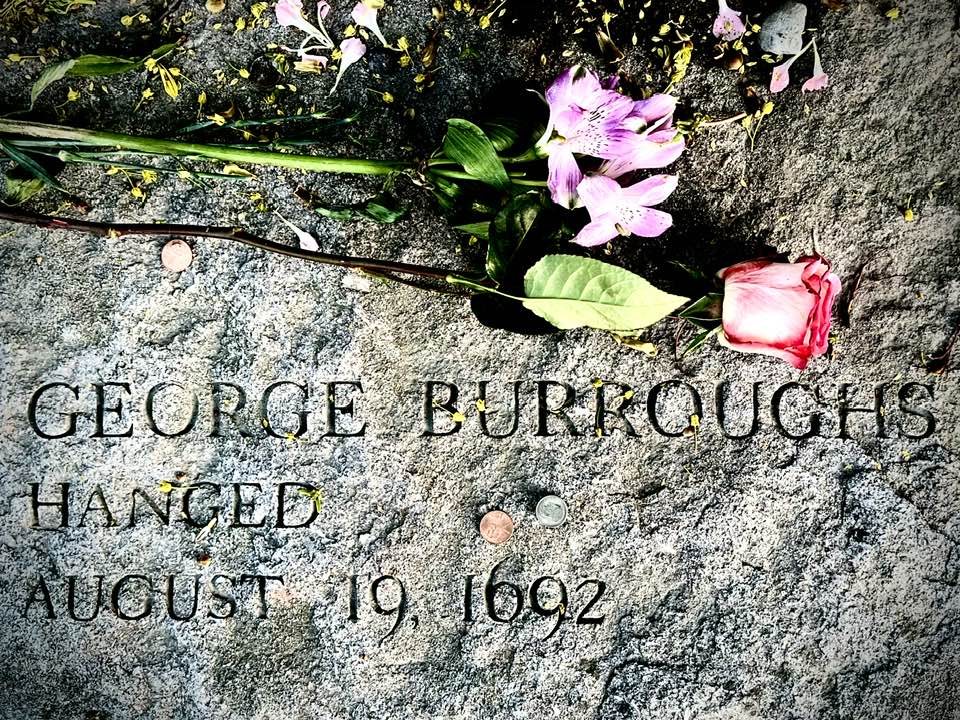
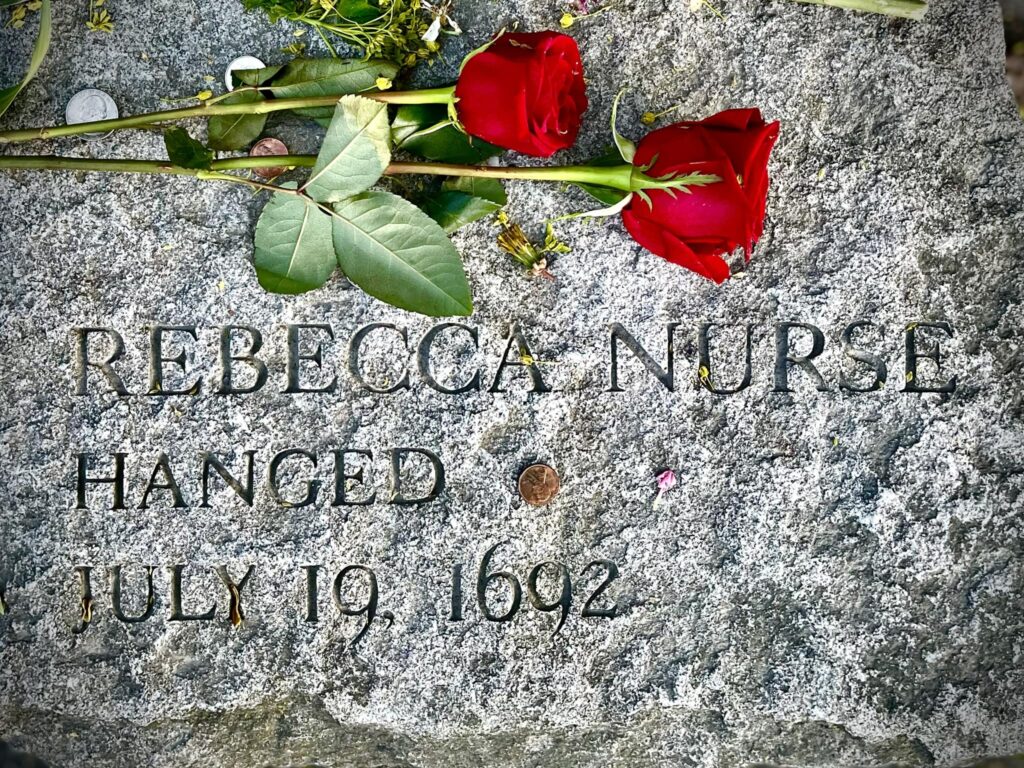
- 19 were hanged at Proctor’s Ledge
- 1 man, Giles Corey, was pressed to death with stones for refusing to enter a plea
- 5 died in jail, including an infant, while awaiting trial
That’s 20 executions in all, plus the prisoners who never survived the cold, disease, and cruelty of the cells. For a community of only a few hundred families, the scale of the loss was staggering.
3. How did the Salem Witch Trials end?
They ended when the people in charge finally lost faith in their own courtroom. As the accusations climbed ever higher, eventually reaching prominent, respected figures, doubt set in, especially about spectral evidence (the claim that an accuser had seen a suspect’s ghostly shape). It was evidence no one could verify, and it had condemned nearly everyone.
In late 1692, Governor William Phips dissolved the Court of Oyer and Terminer, the special court that had run the trials, and replaced it with the Superior Court of Judicature, which first met in January 1693. He instructed the new court not to accept spectral evidence. Even so, three more people were convicted. Alarmed, and after concerns were raised at the highest levels, Phips reprieved them. From there, the remaining cases ended in acquittals and dismissals, and by May 1693 he released those still held. The hysteria was over, though Salem would spend generations reckoning with what it had done.
Still Have Questions?
Ask a historian in person
Our 1692 Salem Historical Tour is two hours of exactly this — real answers to real questions, on the streets where it all happened. Bring your curiosity. $35 adults / $10 kids.
More questions people ask
No. Nineteen people were hanged and one man, Giles Corey, was pressed to death. No one was burned at the stake in Salem — burning was a European practice, not a colonial Massachusetts one.
The first three people accused were Sarah Good, Sarah Osborn, and Tituba, an enslaved woman in Reverend Parris’s household. Sarah Good was the first to be examined, on March 1, 1692.
Yes. In 1697, Judge Samuel Sewall stood in church and publicly repented of his role in the trials, the only judge to do so. Twelve of the trial jurors also signed a statement of apology, and in the years that followed, the colony reversed many of the convictions and granted restitution to victims’ families.
The nineteen people who were hanged died at Proctor’s Ledge, at the base of Gallows Hill in Salem. Researchers confirmed the exact site in 2016, and a memorial was dedicated there in 2017. Giles Corey was pressed the death in a field, today the location is a parking lot next to the Old Salem Jail.